
The Groom’s Guide: Show Up. Step Up. Make Her Proud.
By Janet Abbey | 30+ Years | 700+ Celebrations
Sterling Event Services, LLC | Chagrin Valley, Ohio
Nobody gave you a playbook. Here it is.
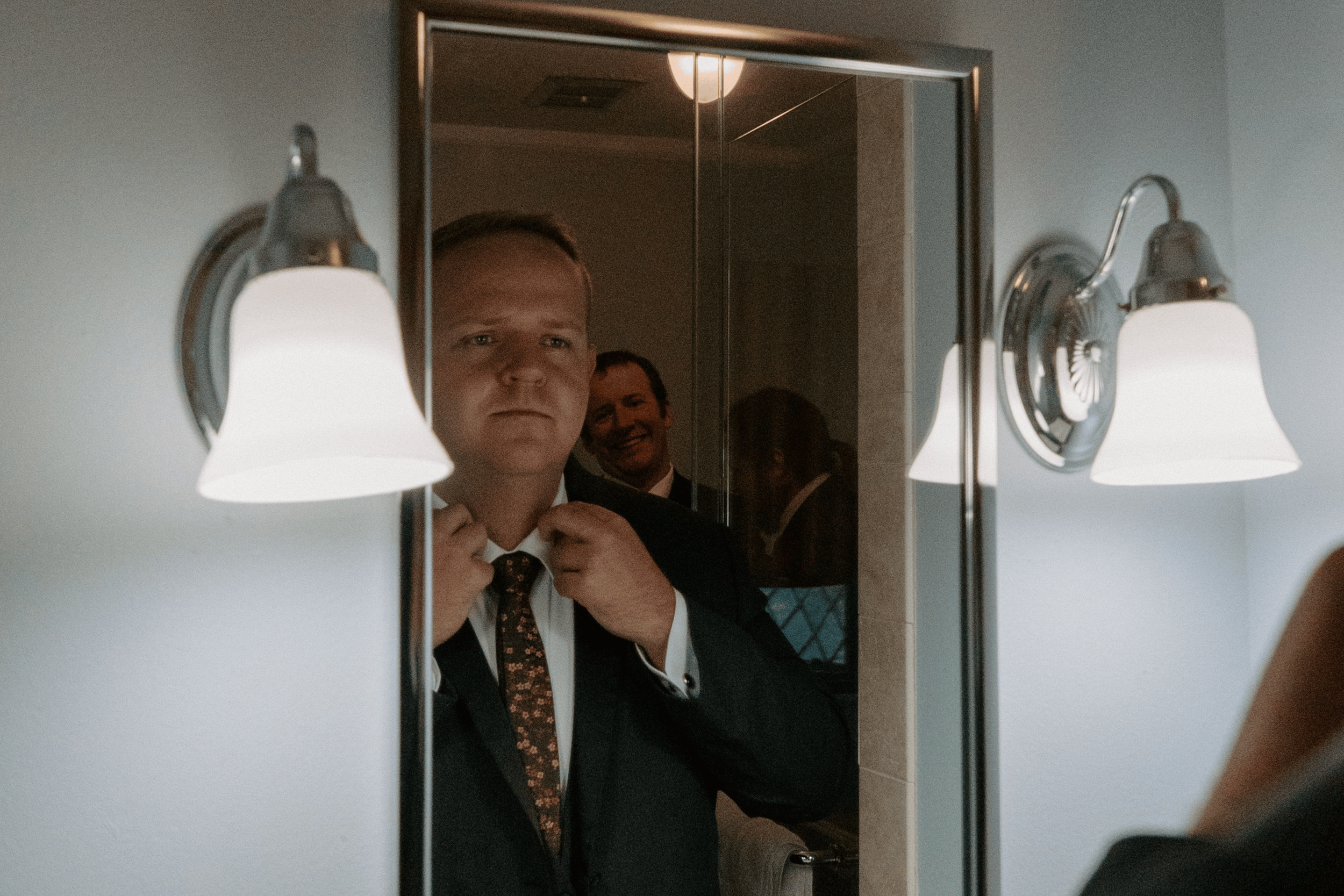
A well-dressed groom adjusting his tie in a mirror, calm and focused. Natural light, clean background, editorial/luxury wedding feel. This sets the tone: composed, intentional, prepared.
You proposed. She said yes. Congratulations — genuinely.
Now here is the truth most people won’t tell you: the groom is the most under-prepared person in the entire wedding party. The bride has Pinterest boards, planning apps, and a mother with opinions. You have a tuxedo fitting appointment and people asking if you’ve picked a honeymoon yet.
After 30 years and more than 700 celebrations in Northeast Ohio, I have watched grooms who were fully engaged in their wedding — who showed up, stepped up, and made their bride feel like the luckiest person in the room. And I have watched grooms who treated the whole thing like something happening to them rather than something they were building together. The difference in those weddings is unmistakable.
This guide is your playbook. Read it. Use it. Show up the way she deserves.
Planning a wedding and feeling like you’re figuring it out as you go?
Download The Groom Guide — a straight-talking playbook on what actually matters, what’s expected of you, and how to show up the right way.
👉 Get the free guide here

The Groom Guide
This is not her wedding that you are attending.
This is your wedding — the first major thing you are building together as a couple.
How you show up for the planning process is the first real signal of how you will show up for the marriage.
What the groom actually plans and pays for
Yes, you have real responsibilities. Here is what is traditionally yours — and what the modern reality looks like.
“The groom traditionally pays for the bride’s engagement and wedding rings, the marriage license, the officiant’s fee, the honeymoon, and the rehearsal dinner — typically hosted and funded by the groom’s family. He is also responsible for compiling his side of the guest list and making sure his parents provide theirs.”
— Emily Post Institute, emilypost.com
The engagement ring and wedding bands. Traditionally yours to select and purchase. Most couples today choose wedding bands together — which is a great approach. Buy them early. You do not want to be chasing a vendor the week before the wedding.
The marriage license. Your job. Find out the requirements in your county — waiting periods, fees, ID requirements — and handle it with enough lead time that there is no scramble. In Ohio, you need to apply in the county where the ceremony will take place. Do not leave this until the week of.
The officiant fee. Traditionally the groom’s responsibility. Pay it on time, in the agreed amount, and with a thank-you. If your officiant is a friend or family member doing it as a gift, acknowledge that generosity meaningfully.
The honeymoon. Traditionally the groom planned and funded the entire honeymoon. Today most couples plan it together — which is smart. Budgets, destinations, travel styles, and non-negotiables should be a conversation, not a surprise. Start planning earlier than feels necessary. Good travel books up fast.
Your groomsmen’s boutonnieres and your mothers’ corsages. These are typically the groom’s responsibility unless the bride’s florist order includes them. Confirm with your florist early so nothing gets missed.
Your guest list — own it. Compile your side of the guest list promptly and completely. Get your parents’ list from them early — do not wait until two weeks before save-the-dates go out. Delays on the groom’s guest list are one of the most common sources of early wedding planning friction. Do not be that groom.
The modern reality:
Most couples today share wedding costs and planning responsibilities far more equally than tradition suggests. What matters is not which tradition you follow — it is that you have the conversation with your fiancée and both families early, agree on who is covering what, and honor every commitment you make. Vague promises and shifting numbers create stress that lands directly on your bride during the most important planning season of her life.

Supporting your bride through the planning process
This is the section most grooms need most. Planning a wedding is genuinely overwhelming — and how you show up for her during this season matters more than you think.
Be a participant, not a passenger. There is a version of the groom who says ‘whatever you want, babe’ to every single decision for twelve months. That groom is not being easy — he is leaving his bride to carry everything alone. Have opinions. Attend the appointments that matter. Make decisions when decisions are needed. She asked you to marry her, not to approve her choices from a safe distance.
Know which decisions actually matter to you — and say so early. The food. The music. The bar. The honeymoon. The rehearsal dinner. Most grooms have real preferences about at least a few of these things. Identify them early and tell her. That is far better than being checked out for eleven months and then having strong feelings about the band playlist two weeks before the wedding.
When she is stressed — listen first. Wedding planning stress is real and it is relentless. When she brings it to you, your first job is not to solve it. It is to listen. Ask what she needs — sometimes she wants help, sometimes she wants to be heard. Learn the difference. That skill will serve your marriage long after the wedding is over.
Do not make her chase you for decisions or responses. If she sends you a vendor link, look at it that day. If she needs a decision about the rehearsal dinner menu, give her one. Every time she has to follow up on something you were supposed to handle, she carries a little more of the load alone. Be the person she can count on to close the loop.
Protect her from unnecessary family drama. Your family’s opinions, your parents’ expectations, your friends’ comments about the wedding — you are the filter. Handle your side. Do not let things land on her that you could have intercepted and resolved yourself. That is what it means to be a partner.
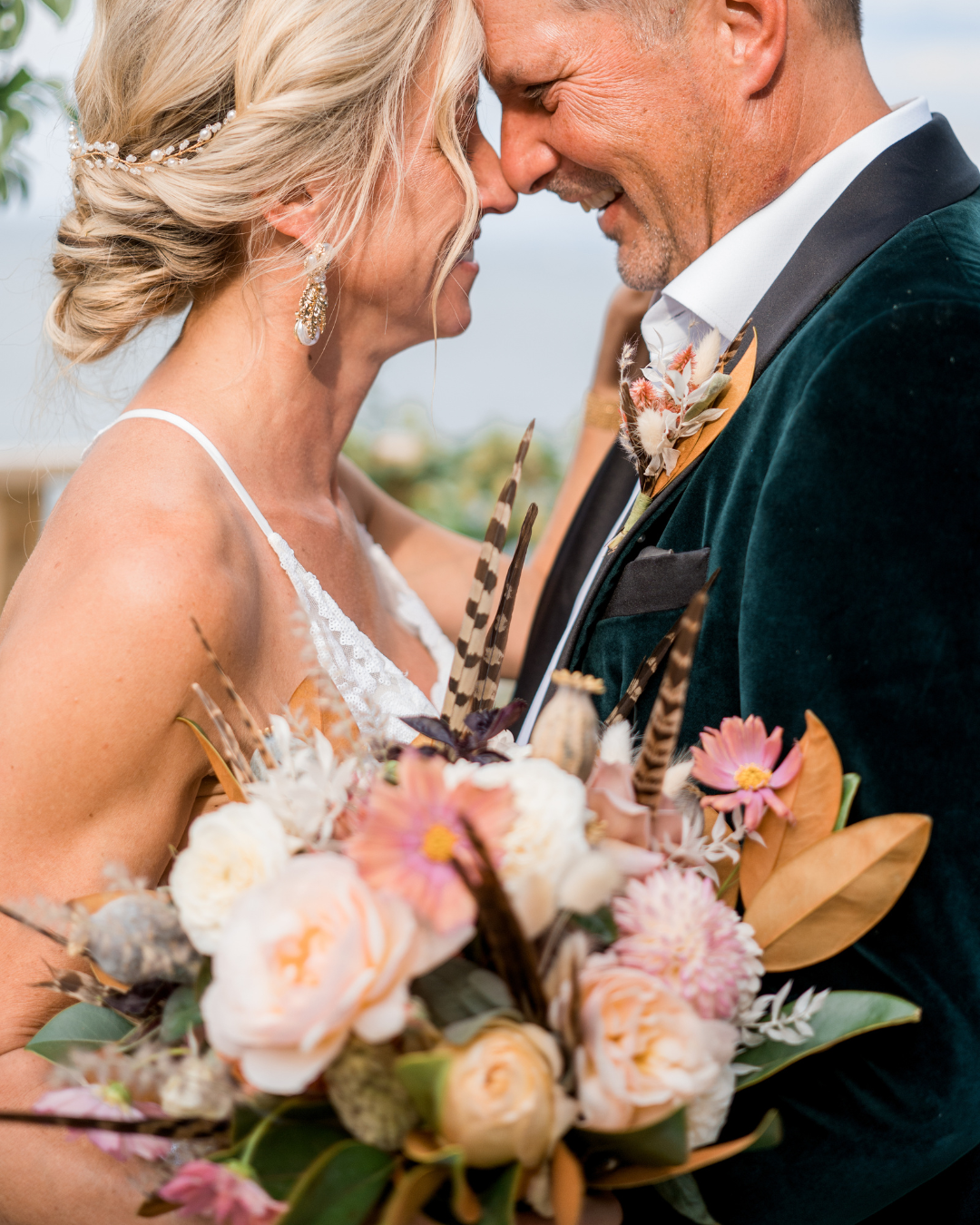
Her family — earn their trust, welcome them in
You are not just marrying her. You are joining her family. How you show up with them during the engagement sets the tone for decades.
Have a real conversation with her father. Not just a formality. A real one. Whether you ask for his blessing formally or simply reach out to build a genuine relationship — make the effort. Tell him specifically what you love about his daughter and what you are committed to in your marriage. That conversation matters to him more than you may realize. And it will matter to her that you had it.
Build a genuine relationship with her mother. Her mother is one of the most important people in her life. Invest in that relationship with real attention — not performance. Ask her questions. Remember what she tells you. Show up to the things she invites you to. The grooms who do this well have an ally for life. The ones who don’t create a friction point that never fully goes away.
Learn her family’s dynamics before the wedding weekend. Who gets along with whom. Where the sensitivities are. Which family members need extra attention or careful seating. Ask your bride. Listen carefully. The more you understand going in, the more smoothly you can navigate the weekend — and the more she will trust that you are genuinely invested in her people.
At the wedding — thank her parents directly and specifically. Not a generic ‘thank you for everything.’ Something real. Something specific to what they did and what it meant. Find her father during the reception. Find her mother. Look them in the eye and tell them what it means to you to be joining their family. That moment will not be forgotten.

Managing your groomsmen — set expectations early
Your groomsmen are there to support you. But they need to know what that means. Here is how to lead your guys well.
Tell them what you actually need from them. Do not assume they know their role. Have a direct conversation early: what events they are expected to attend, what they are responsible for paying, what the wedding day timeline looks like, and what ‘being in the wedding party’ actually requires of them. Clarity upfront prevents a lot of last-minute chaos.
Suits and tuxedos — start early and follow up. Give your groomsmen a clear deadline for fittings and mean it. Follow up individually if someone goes quiet. One groomsman who waits until the week before the wedding to get fitted can create a cascade of problems. Own this timeline. It is yours to manage.
The bachelor party — communicate your actual preferences. Tell your best man what kind of bachelor party you actually want. Not what you think you’re supposed to want — what you genuinely want. A weekend away, a golf day, a night out, a low-key dinner with your closest people — all of these are legitimate. Your best man cannot read your mind. Give him something real to work with.
The rehearsal dinner — your guys need to be there and be on time. The rehearsal exists so that the ceremony runs smoothly. Groomsmen who arrive late, leave early, or treat the rehearsal as optional create problems that show up the next day in front of two hundred guests. Set the expectation clearly. Be the one who makes sure your team is ready.
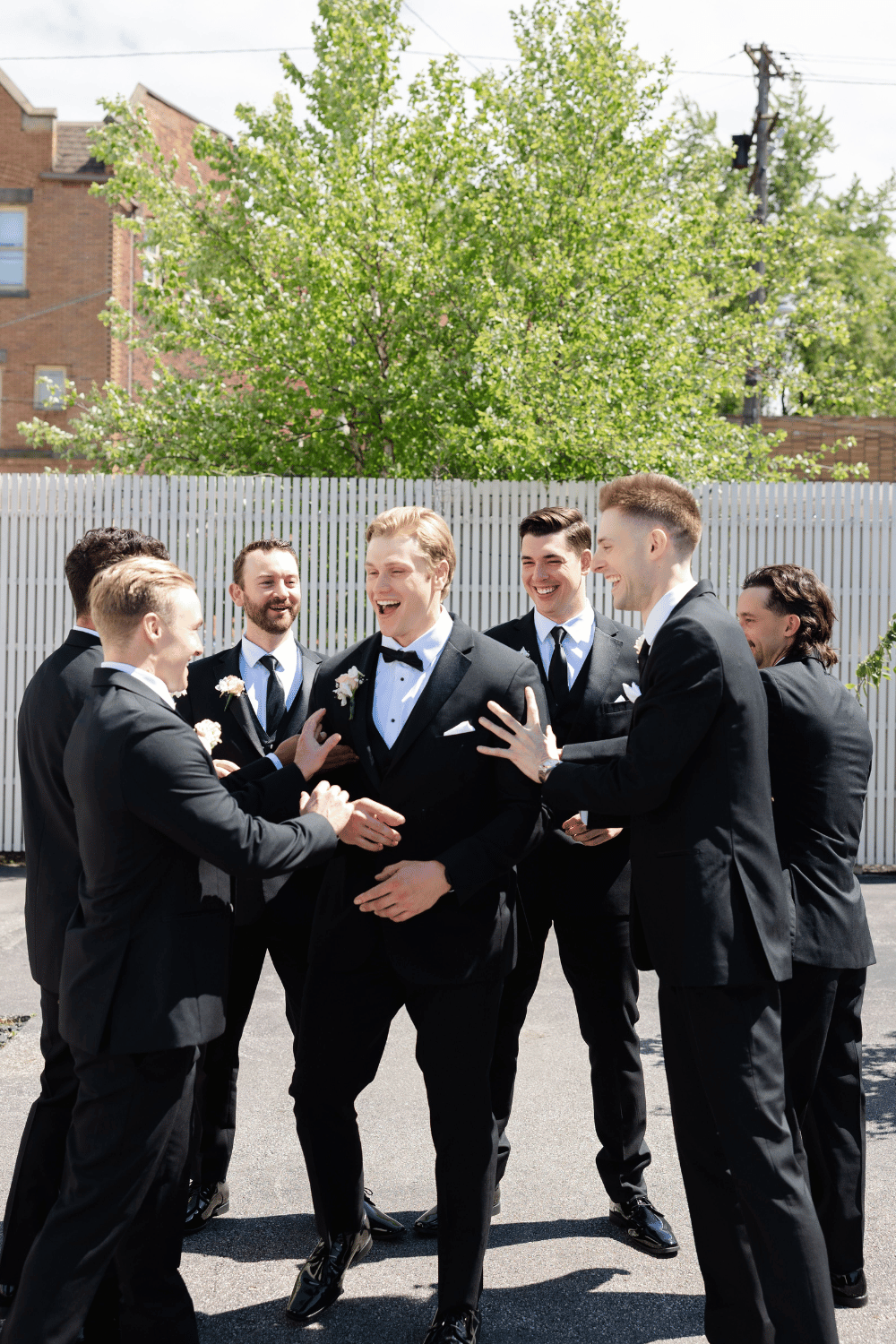
On the wedding day — lead your room. You set the tone in the groom suite. If you are calm, your guys will be calm. If you are present and grateful, the morning will feel that way. If you are distracted or checked out, that energy spreads. Be the groom who makes the getting-ready morning something your groomsmen talk about for years.
The vows, the rings, and the moment at the altar
This is what everything has been building toward. Do not sleepwalk through it.
If you are writing your own vows — start early and take it seriously. Your vows are not a formality. They are a public promise made in front of everyone who loves you both. Write them early enough to revise them. Read them out loud — multiple times — so you know how they feel when spoken, not just written. Aim for two minutes. Be specific. Tell her something true about who she is and what she means to you that only you could say.
Practice receiving her vows. This sounds strange but it matters. Your job during her vows is to look at her, listen to every word, and let yourself feel it. Not to rehearse your expression or think about what comes next. Just be there with her in that moment. It is over faster than you can imagine.
Know the ring logistics cold. Who has the rings, where they are, and exactly when you hand them to the officiant or best man. This is not the moment for confusion. Confirm the plan with your best man the morning of the wedding and double-check it at the rehearsal. A fumbled ring exchange is funny in a movie. At your actual wedding it just adds unnecessary stress.
When she appears at the end of the aisle — look at her. Not at the room, not at the photographer, not at your shoes. At her. That is the moment she has been waiting for — to see your face when you see her. Let her see everything. Do not perform it. Just feel it and let it show. That is the image that will hang on your wall for the rest of your life.
After the ceremony — you have about sixty seconds alone together before the world descends. Use them. Tell her she is beautiful. Tell her you meant every word. Hold her hand. Breathe. The rest of the day is going to move very fast — that sixty seconds is yours. Be in it completely.
“She will remember your face when she appeared at the end of the aisle.
She will remember whether you cried.
She will remember every word of your vows.
She will not remember whether the centerpieces were perfect.”
— Janet Abbey, Sterling Event Services
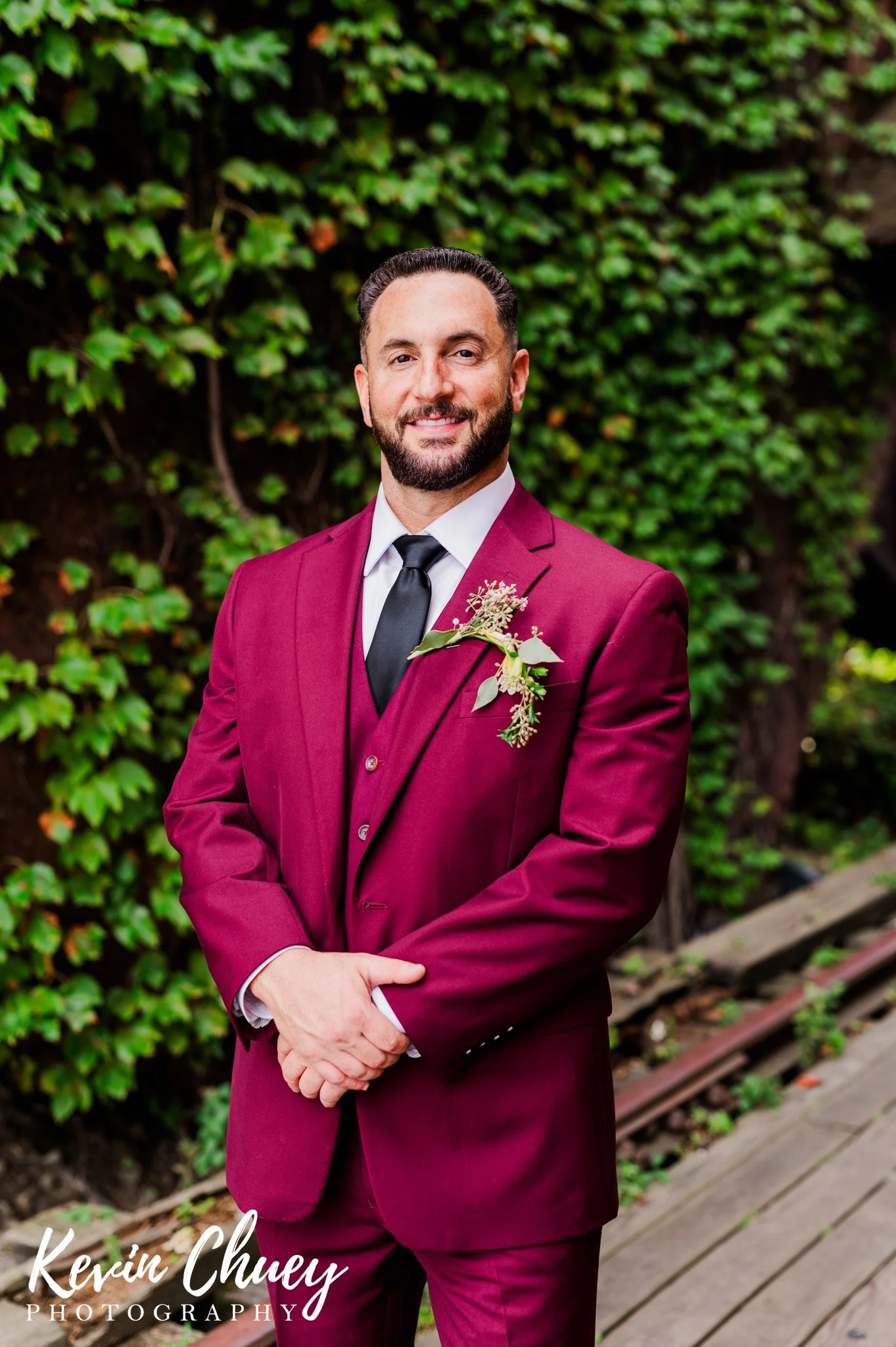
Wedding day — from getting ready to last dance
Get in the getting-ready photos. Have someone in the groom suite with a camera or a good phone. The candid moments before the ceremony — helping each other with ties, laughing with your groomsmen, the quiet moment before you walk out — these are often the most treasured images from the entire day. Tell the photographer if you want coverage in the groom suite. Do not assume it is happening.
Eat something real before the ceremony. Wedding days are long. Cocktail hour comes hours after you started getting ready. Low blood sugar affects your patience, your presence, and your ability to deliver vows without shaking. Eat a real meal. Have snacks in the suite. Take care of yourself so you can show up fully for her.
Dance with your mother. The mother-son dance is one of her most anticipated moments of the entire reception. Be present for it. Choose the song together in advance. Look at her during the dance — not at the room. This is two or three minutes that belongs entirely to the two of you. Honor it.
Dance with her mother too. Find the MOB during the reception and ask her to dance. No announcement needed. No production. Just a genuine, warm gesture that says: you are family now, and I mean it. She will remember it forever. So will your bride.
Be present for the whole night. Do not disappear into the bar with your groomsmen for an hour. Do not spend the reception on your phone. Move through the room. Greet the people who came to celebrate you. Dance with your bride. This is your wedding — not a party you are attending. Be there for all of it.
At the end of the night — thank your vendors. Before you leave, find your planner, your photographer, your DJ or band leader, and your catering captain. Look them in the eye and say thank you. These people worked hard to make your day beautiful. Thirty seconds of genuine gratitude means more than you know — and it reflects the kind of person your bride just married.
You don’t have to figure this out alone.
If you want a wedding that feels smooth, intentional, and actually enjoyable — for both of you — we can help.
Download The Groom Guide, then let’s talk about your wedding.
👉 Get the guide
The one thing:
Of everything in this guide, the one thing that matters most is this — be present. Not managing, not performing, not getting through it. Actually present. Your bride planned this day for months. She chose every detail with you in mind. The greatest gift you can give her on your wedding day is to show up fully and feel every moment of it with her. That is what she will remember when she is eighty years old.
READY TO PLAN WITH CONFIDENCE?
Let’s build something you’ll both love.
Sterling Event Services has been coordinating weddings and celebrations in Northeast Ohio since 1995. We bring 30+ years of experience, deep local vendor relationships, and a genuine commitment to making every couple feel like our only clients.
Whether you’re looking for full-service planning, partial planning, or day-of coordination — we’d love to connect with both of you.
Email me janet@sterlingeventservices.com or call us directly 216-287-8406 .
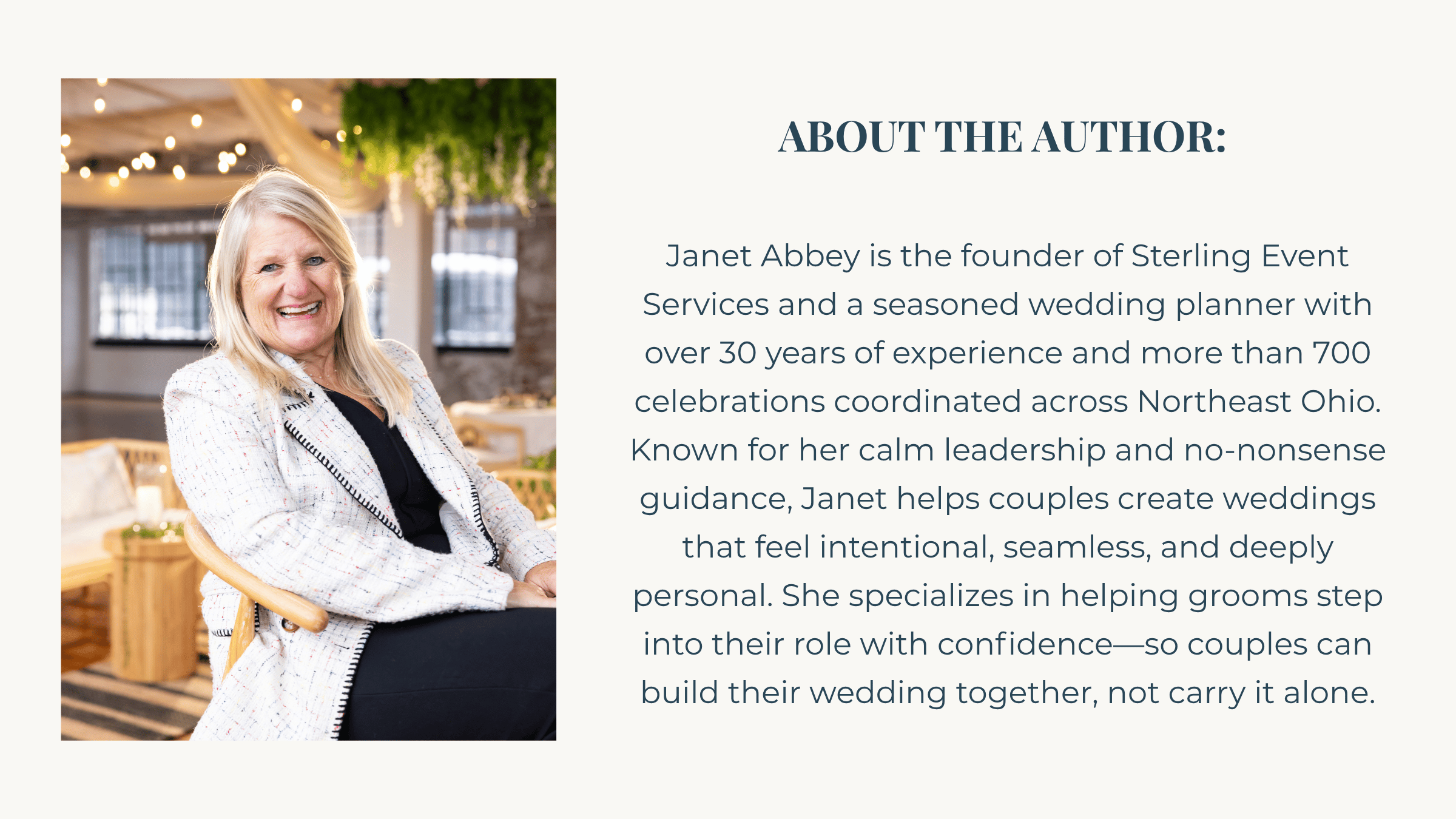
About the Author, Janet Abbey
Janet Abbey · Sterling Event Services · sterlingeventservices.com
Founded 1995 · 700+ Celebrations · Northeast Ohio's Full-Service Event Planning Company
