
How to Create an Unforgettable Guest Experience at Your Cleveland Wedding
From Sterling Event Services — Chagrin Valley–based. 700+ celebrations across Northeast Ohio since 1995.
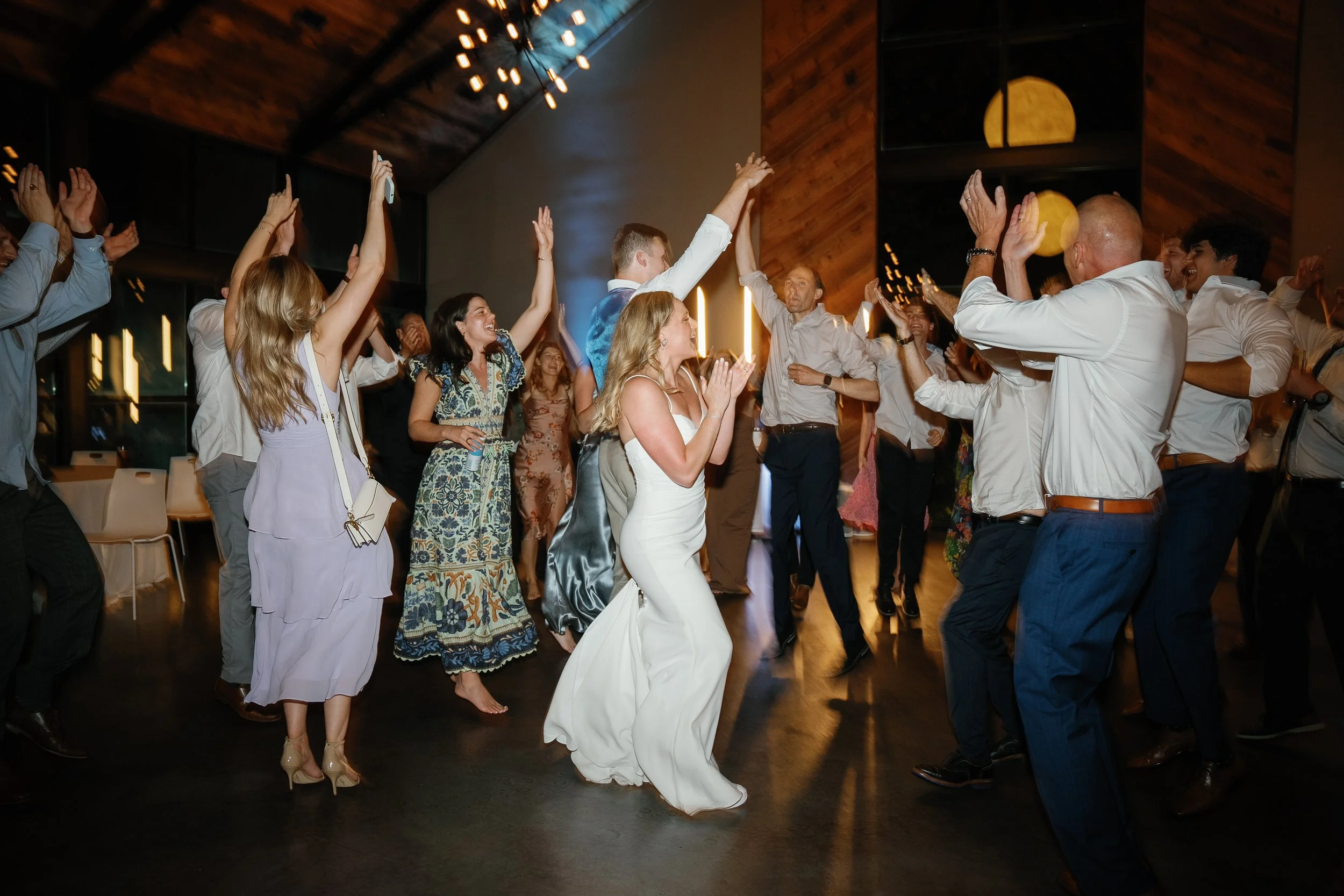
Warm candid photo of guests laughing and dancing during a wedding reception
Here’s something we’ve noticed after more than thirty years of watching people leave celebrations.
Beautiful centerpieces may catch your guests’ attention, but what they talk about on the way home is how the wedding made them feel.
Whether they were too hot. Whether they ever found the bar. Whether there was somewhere to sit down. Whether the shuttle showed. Whether they got fed. Whether the whole thing had a rhythm to it or just sort of… happened at them for six hours.
Your décor shapes what guests see. Your hospitality shapes how they feel—and an unforgettable wedding needs both.
Here’s how we create that experience—with examples from real Sterling weddings.
Start here: your guests aren’t attending a wedding. They’re on a trip.
This is the Cleveland thing that changes everything.
We’re a drive-in wedding city. Your guests are coming from Columbus, Pittsburgh, Detroit, Buffalo, Chicago—three, four, six hours in a car. That’s not a Saturday. That’s a weekend. They’re taking a Friday off, booking two nights, arranging childcare. Somebody’s mother is driving in from Toledo, and she does not do highways after dark.
The moment you accept that you’re hosting a weekend instead of an evening, the whole design changes. Friday and Sunday need to be considered—even if that simply means giving guests thoughtful recommendations and clear information. The gap between ceremony and reception stops being a scheduling detail and becomes ninety minutes that your guests have to spend somewhere.
Plan the weekend. Not the party.
We walk it as a guest first
Before we plan a single thing, we walk the whole day as if we’re a guest arriving at your wedding. Not the planner. The guest.
Do I know where to go? What time does it actually start? Do I have the address? Am I set up to get this right—or am I the one circling the block at 5:25, texting to ask if I’m even in the right place?
Plan from the guest’s chair instead of the couple’s, and every bottleneck, every gap, every cold patio and long bar line stops being a surprise—because you walked into it before they did. That’s the lens. Everything below is what you see through it.
Flow: the thing nobody sees and everybody feels
Flow is the invisible architecture of your day. It’s the difference between a wedding that moves and a wedding that stalls.
Where does the bottleneck live? Every venue has one—the single door between cocktail hour and dinner, the one elevator, the coat check with one attendant and two hundred coats in October. Find it before your guests do.
The gap. A ceremony at 4 and a reception at 6 isn’t a gap—it’s an assignment. Either you’ve built something for it or you’ve handed your guests ninety minutes and a parking lot. The honest options: a same-site cocktail hour, a real shuttle plan, or a walkable block downtown. “They’ll figure it out” isn’t one of them.
Bar service. Ask your venue or caterer whether the number and placement of bartenders will adequately serve your guest count. Pay particular attention to the rush immediately following the ceremony and dinner.
Seating for the people who need it. Cocktail hour is standing by design. But your grandmother is at your wedding, your friend who’s eight months pregnant is at your wedding, and someone’s dad had a knee replaced in March. A few chairs at the edge of the room isn’t a compromise. It’s the entire point.
What Sterling sees every time
When the ceremony’s offsite, the gap isn’t ninety minutes—it can be hours. And guests don’t wait it out. The invitation says 5:30, and some are pulling in at 4:45, unsure where else to go, so they drift straight to the reception.
The best fix we’ve found is simple: build in time for guests to head back to the hotel, then shuttle them from the hotel to the venue. It gives everyone somewhere to be and a minute to reset—and delivers them together and on time instead of early and scattered. It’s the smoothest version of this we’ve ever run.
Comfort: Cleveland will test you
This city has opinions about your outdoor ceremony.
August is ninety degrees and humidity you can lean on. If you’re putting guests in the sun in dark suits, you need shade, and water before the ceremony rather than after. And if the service runs long—as many meaningful and religious ceremonies do—plan the comfort around it: more shade, more water, and seating for anyone who needs it.
October is our most beautiful month and our biggest trap. It’s seventy-two and golden at 4 p.m. By 7, the wind comes off the lake, it’s fifty-one degrees, and your guests are in cocktail dresses on a patio. Heaters. A basket of wraps. Move the after-dinner portion inside on purpose instead of by surprise.
June does whatever it wants.
And the rain call is real—not a vibe, a decision, made by a specific person at a specific hour on Thursday, with a tent that’s actually been reserved. In Northeast Ohio, an outdoor ceremony without a fully funded Plan B isn’t optimism. It’s a coin flip with your guests’ afternoon.
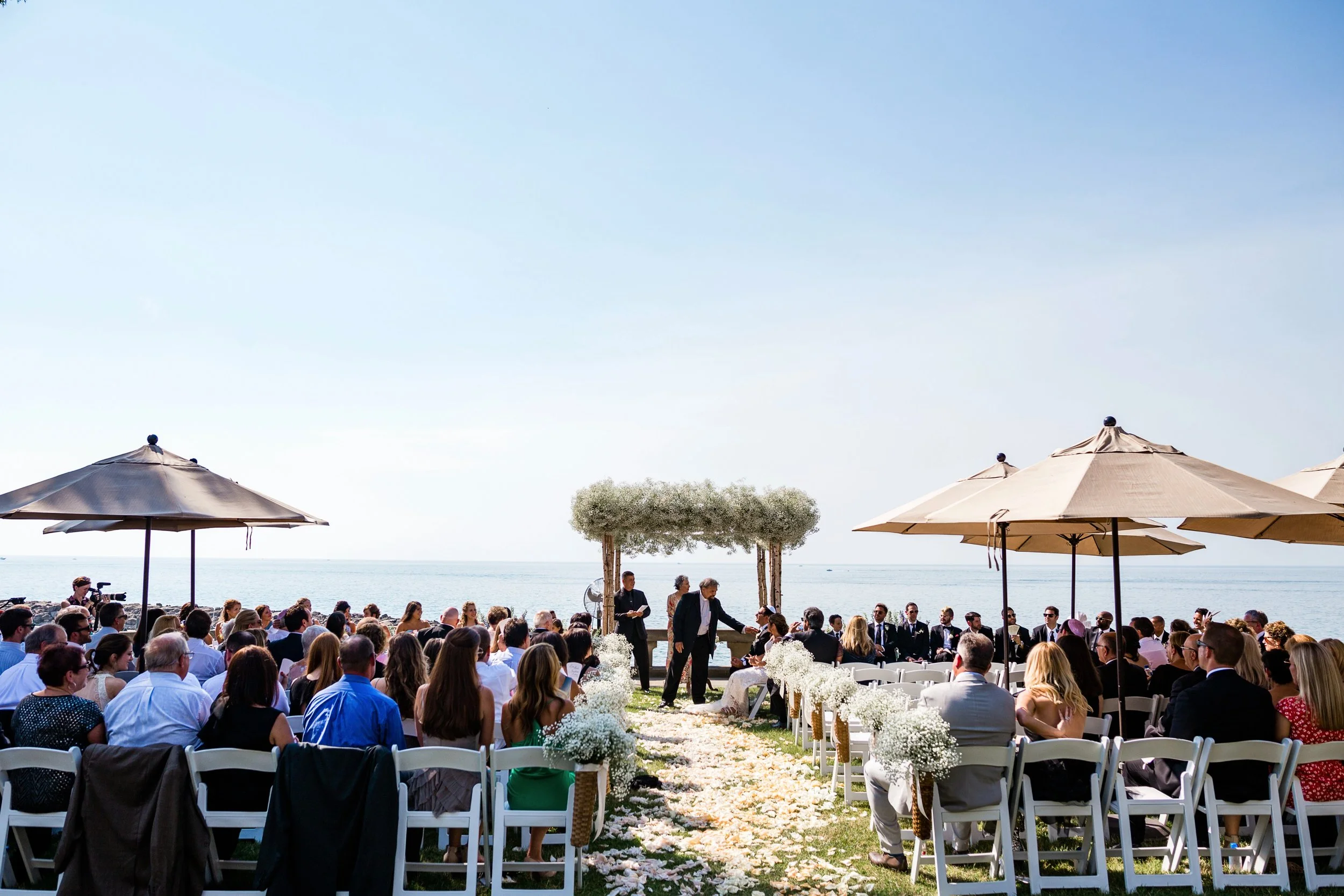
Market umbrellas shading rows of ceremony chairs at an outdoor summer wedding
From a real Sterling wedding
The wedding: An outdoor ceremony at Shoreby Club—on a day that hit 100 degrees.
The challenge: Fully air-conditioning the outdoor reception structure would have cost more than $20,000, so we developed another plan for keeping guests comfortable.
What we did: We brought in oversized fans. The night before, we chilled 300 washcloths, scented them with lavender, and handed them out as guests arrived for dinner. And for the ceremony, we staged market umbrellas throughout to throw shade across the seats.
The result: Guests loved the cold lavender towels—and a hundred-degree afternoon became a day people still talk about for the right reasons.
Food: this is Cleveland. Feed people.
Cleveland guests appreciate generous hospitality. We’re a feed-people town at heart, and your guests know the difference.
Think about food across the whole weekend, not just Saturday night. If your guests are at the rehearsal too, that’s a second meal you’re hosting—and these days a welcome party often gets folded in alongside it. Nowadays anything goes, so make each gathering feel like yours. Just mind the arc: the wedding night is the show; everything leading up to it should complement it, not compete.
The cocktail hour is not a snack. It’s an hour, sometimes ninety minutes. If your guests hit dinner genuinely hungry, that’s an hour you spent making people uncomfortable. Build it like a course.
Late night is the most underrated move in this market. Everyone remembers it. Pierogi at 10:30. A taco cart. Something hot after hours of celebrating and dancing is always appreciated. It’s reliably one of the details guests bring up a year later.
Feed your vendors. Your photographer has been standing for nine hours; your band is about to play for three. It’s usually in the contract, and it’s the difference between a team with another gear at 10 p.m. and one that’s counting down.
Give guests a real option for dietary needs. Dietary accommodations should feel thoughtfully prepared—not like an afterthought. Someone at your wedding is vegan, someone has celiac disease, and someone’s child may eat exactly four foods. Handling it gracefully is hospitality, and people notice when it’s done well.
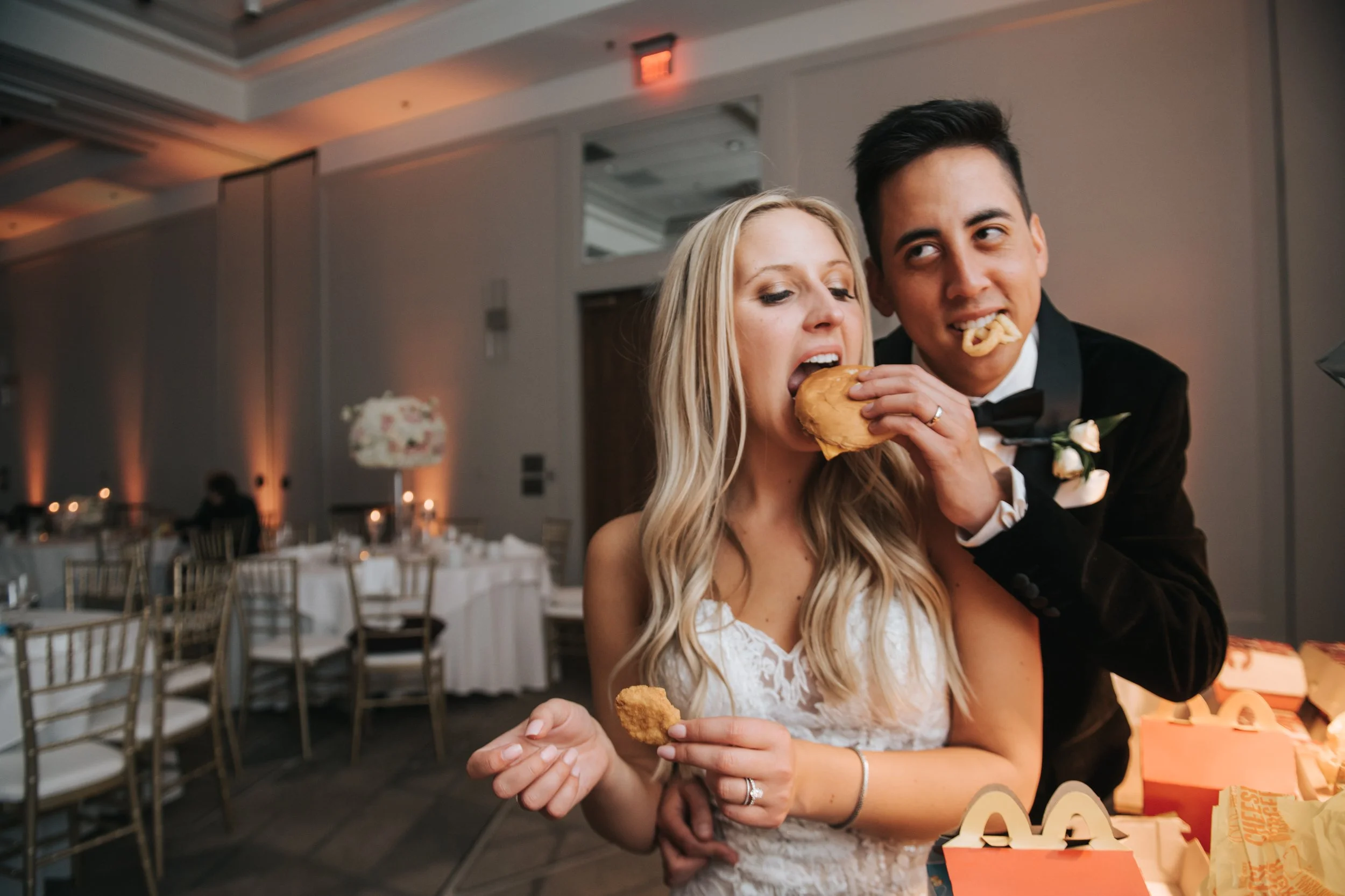
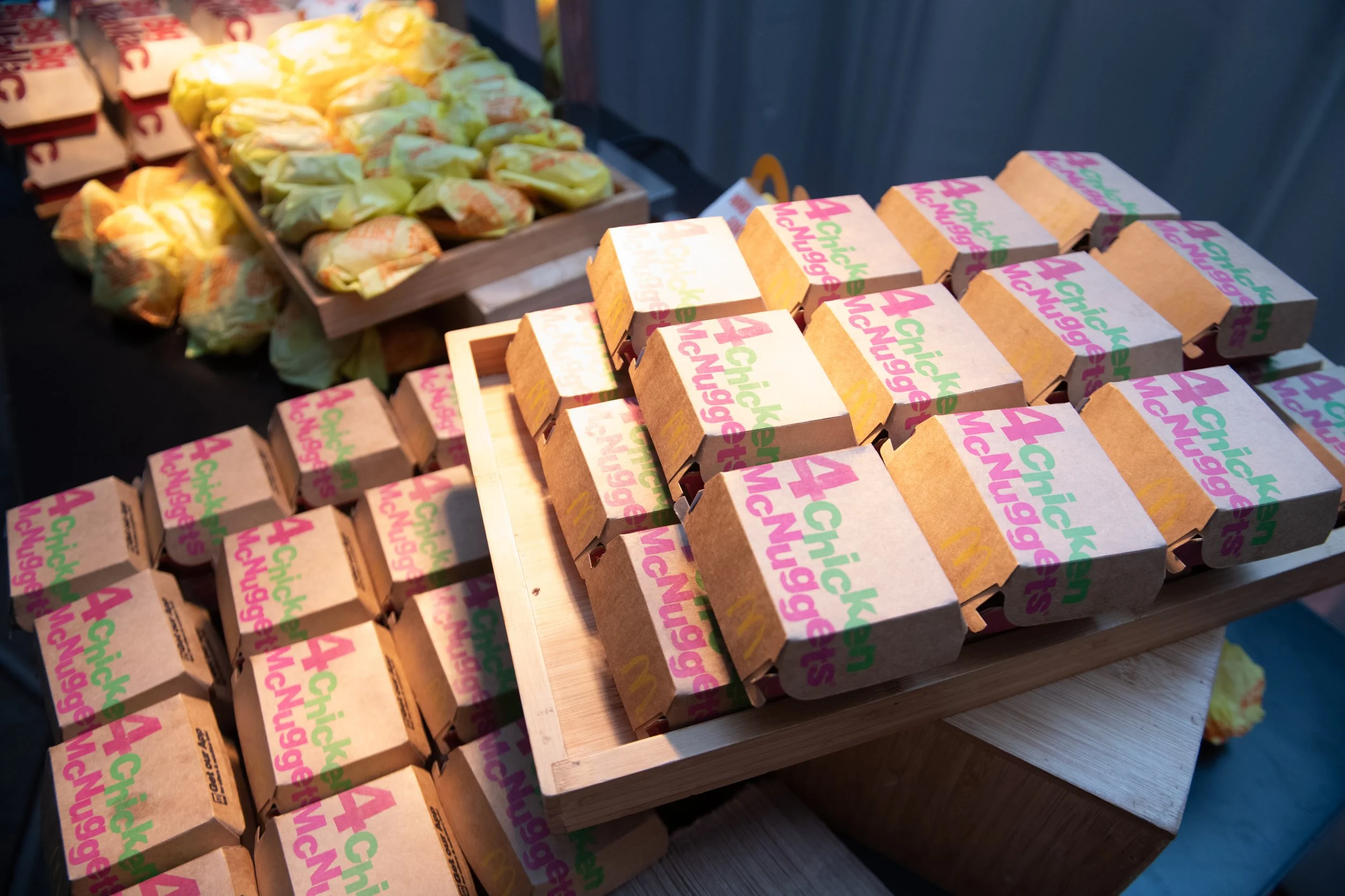

From a real Sterling wedding
The wedding: At one of our downtown Marriott weddings.
The late-night move: McDonald’s cheeseburgers and french fries. Delivered hot at 10:30 and handed out right on the dance floor—not a caterer’s polished idea of nostalgia, the actual thing. Everyone knew exactly what it was the second they saw the bag.
The reaction: Guests loved it. Loved it. The move nobody expects and everybody remembers.
Entertainment: read the room your guests are actually in
The best band or DJ in Cleveland is the one who can read a room, not the one with the best demo. Ask them what they do when the dance floor empties at 9:40—a pro has an answer. Sound plays an enormous role in how a party feels, and it’s the thing couples cut first and regret most.
Don’t schedule the whole thing. The most common mistake we see is a reception so tightly programmed that nothing can breathe. Toast, dance, toast, dance, video, toast. Guests need unstructured time to actually talk to each other—that’s the part they came for.
Ceremony sound. If your guests in the last row can’t hear your vows, they didn’t attend your ceremony. They watched it. That’s a sound-planning issue—and one that should be addressed well before the wedding day.
Communication: the quietest luxury there is
Anxious guests can’t relax, and relaxed guests are the entire ballgame. Almost all guest anxiety is informational.
Parking. Where. How much. Is it cash? Is there a garage? Is it a Browns home weekend, when downtown becomes a different city entirely?
Shuttles. From where, at what time, and—the one everyone forgets—going back. A guest who doesn’t know how they’re getting home isn’t dancing at 10 p.m. They’re checking their phone.
Dress code, in plain English. Not “garden formal.” Say: the ceremony’s on grass, wear a block heel. People will love you for it.
A timeline they can actually see. A card, the website, a sign at the door.
The kids question, answered. Whatever the answer is, guests need it early enough to arrange it.
And Cleveland-specific: tell them what to do with Friday and Sunday. A short list—the West Side Market on Saturday morning, a drink in Ohio City, somewhere in the Valley to walk—turns a wedding into a trip they’re glad they took.
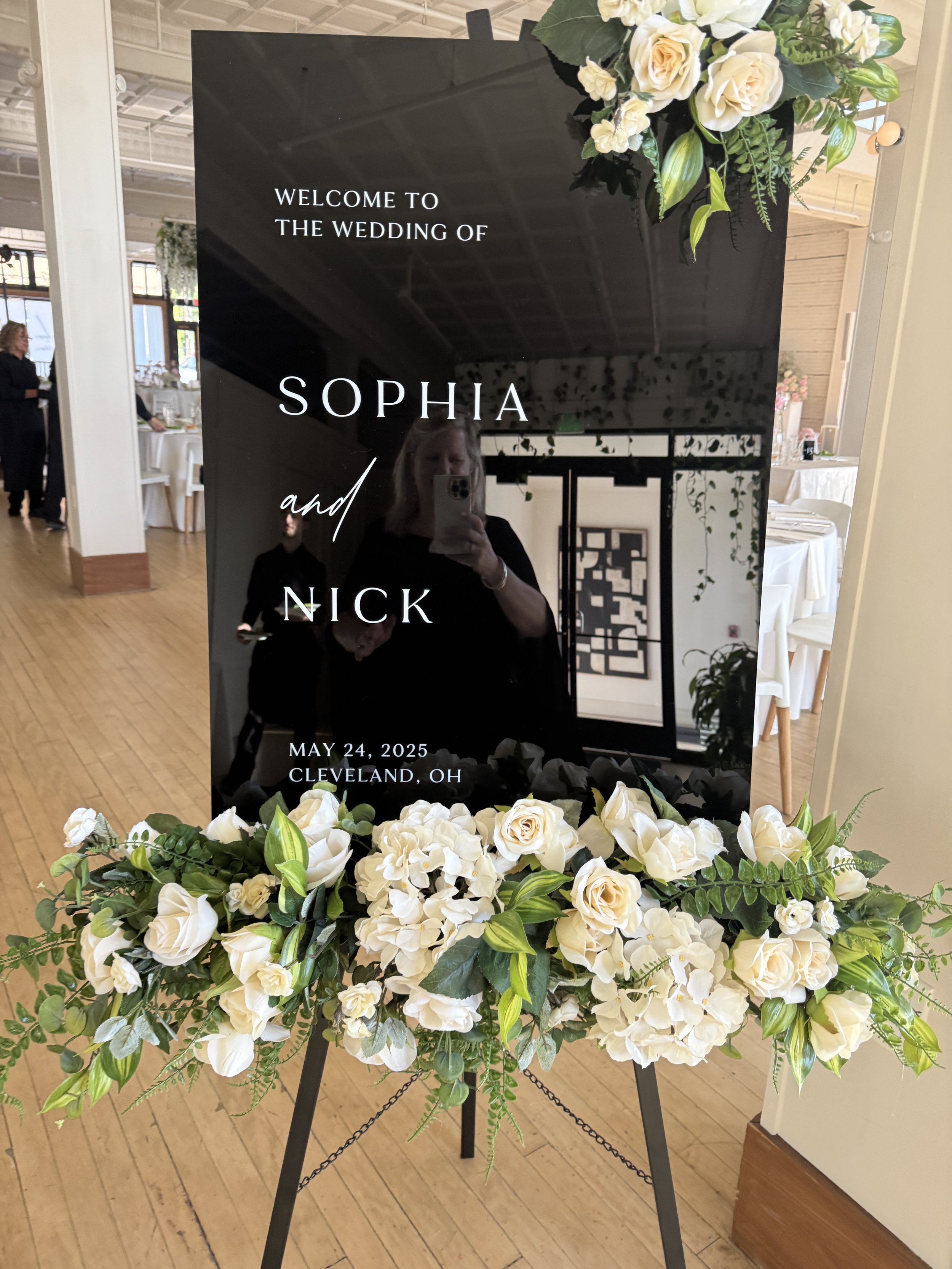
A welcome sign directing guests at a wedding entrance
What Sterling actually does here
A beautiful room is only half the experience.
The other half lives in hundreds of decisions your guests may never see: where the line forms, when the heaters come on, who’s watching the shuttle, what happens when the sky suddenly changes, and whether the guests in the last row can hear you say “I do.”
That isn’t simply decoration. It’s thoughtful event production—and Sterling Event Services has been doing it throughout Northeast Ohio since 1995.
Because a year from now, your guests may not remember the linens. But they’ll remember how warmly they were welcomed, how comfortably the day unfolded, and that they never once felt forgotten.
And one last thing from us to you: make the day easy for your guests, and then allow yourself to enjoy it. What everyone remembers most is being together—great food, generous hospitality, music that reads the room, a celebration with natural flow, and a couple fully present for it. That’s the real secret.
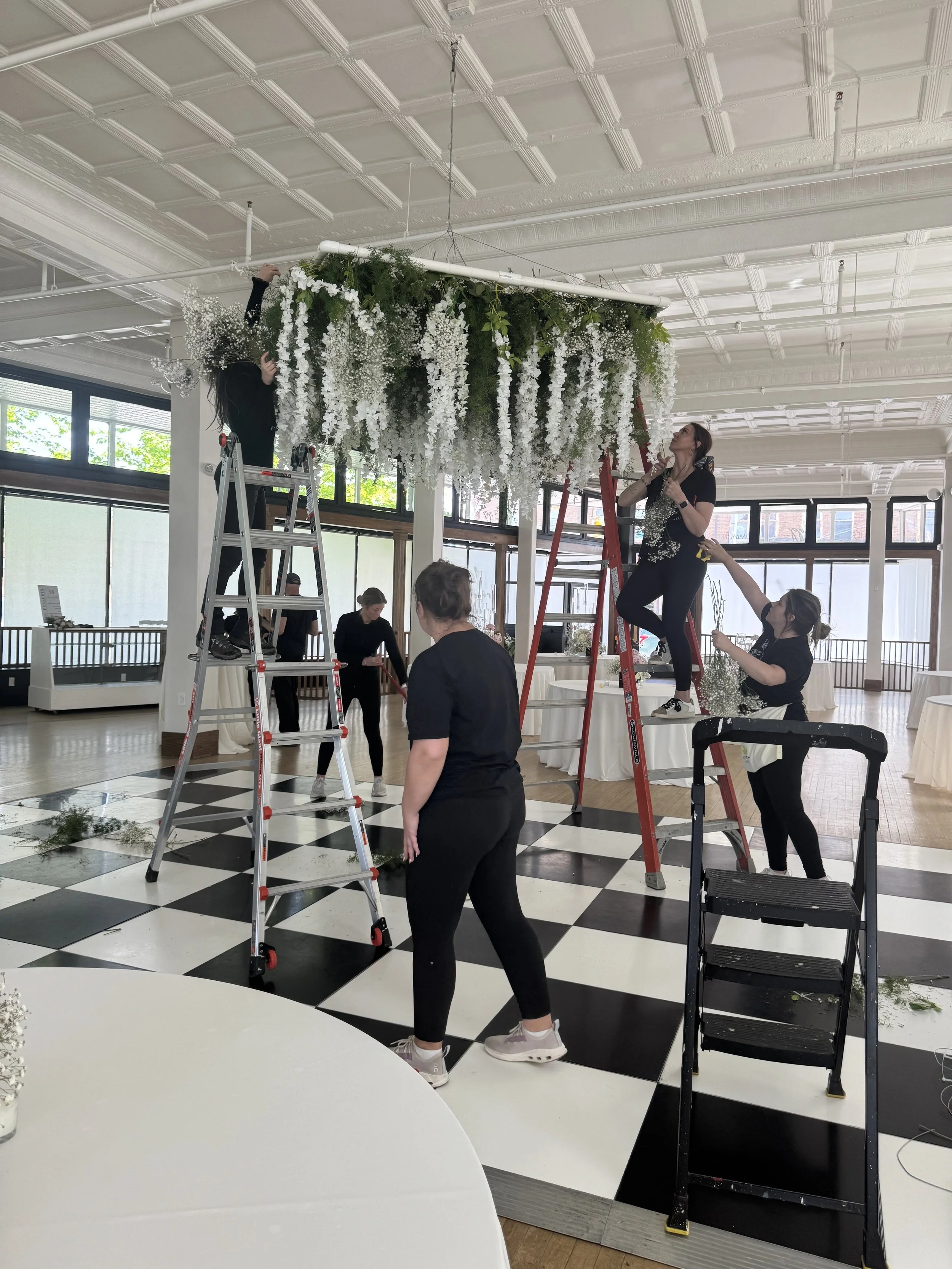
The event team arranging tables and details before a wedding reception
Frequently asked questions (FAQs)
What makes a wedding guest experience memorable?
Beautiful décor sets the scene, while thoughtful hospitality determines how guests feel—whether they were comfortable, well fed, knew where to go, and whether the day had a natural rhythm. The details guests remember are often the ones that never make it into a photograph.
How do you keep guests comfortable at a hot outdoor Cleveland wedding?
Shade, water before the ceremony rather than after, fans, and cooling touches like chilled towels—plus a real Plan B. At one 100-degree wedding, we handed guests a cold towel as they arrived, and it became the thing they talked about all night.
Do I need a rain plan for an outdoor wedding in Northeast Ohio?
Yes. A funded, reserved Plan B—with one specific person responsible for making the weather call at a set time. In this region, an outdoor ceremony without a real backup is a coin flip with your guests’ afternoon.
What’s a good late-night snack for a wedding?
Something hot and a little personal—pierogi, a taco cart, even McDonald’s. A well-timed late-night snack can become one of the most memorable details of the night, and it doesn’t have to be formal.
How many bartenders do I need for my wedding?
Ask your venue or caterer to match the number and placement of bartenders to your guest count, and plan for the rushes right after the ceremony and after dinner, when everyone reaches the bar at once.
How do I handle the gap between the ceremony and reception?
Build something for it—a same-site cocktail hour, a real shuttle plan, or a walkable block downtown. If the ceremony is offsite, the smoothest option is sending guests back to the hotel, then shuttling them to the reception so they arrive together and on time.
Want guests talking about it for years?
Let’s build the weekend, not just the wedding.
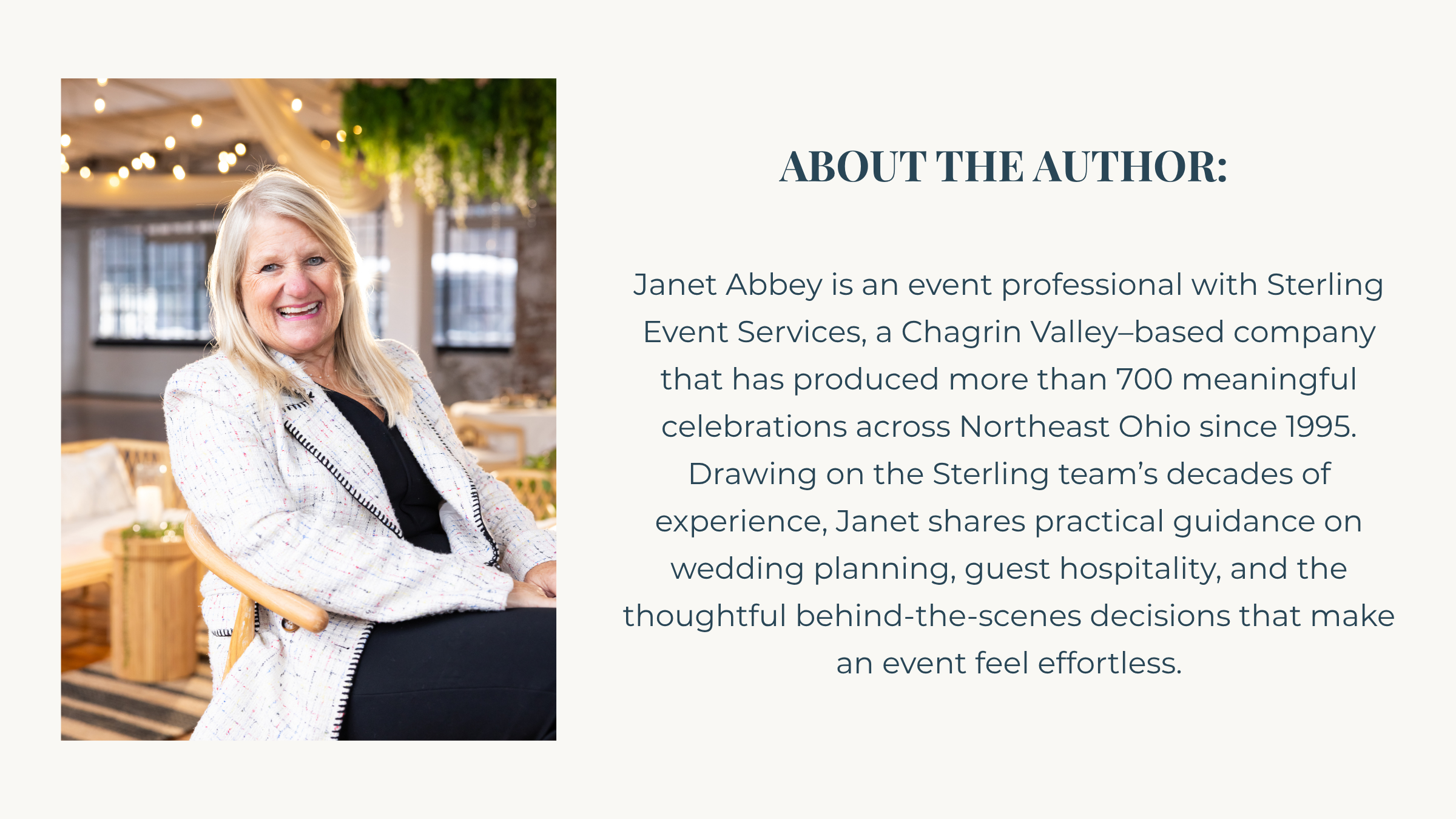
Janet Abbey · Sterling Event Services · sterlingeventservices.com
Founded 1995 · 700+ Celebrations · Northeast Ohio's Full-Service Event Planning Company
